Skip

Exhibitors & products 2024

Please note: The new exhibitor search for 2026 is expected to be published in calendar week 15.
SSV VALVES

Valve seat inserts

Description

VALVE SEAT RING

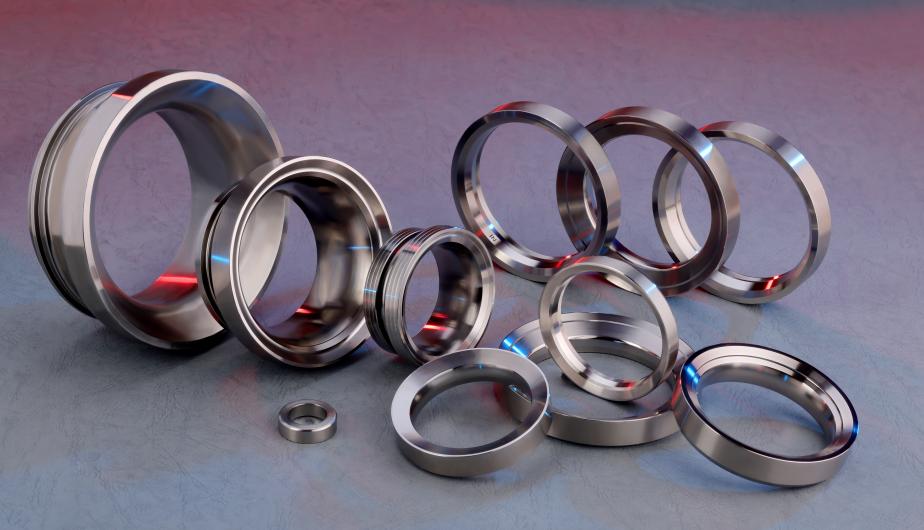
Valve seat rings are integral part of valve train assembly consisting valve spring, spring retainer, cotter, guides and valves, fitted on cylinder block head to seal combustion chamber with face of inlet and exhaust valves. Its round shaped angle helps engine valves to rest on its surface and transfer heat to cylinder blocks. Widely, seat rings are made from magnetic and nonmagnetic materials, like PL12MV, WELL-TITE, MAR-TITE & high chrome/nickel content with centrifugal process for high-end heavy-duty engines.

During refurbishment or overhauling of engine, orientation of seat rings with valves and guides must be aligned, otherwise it will result in to bending, crack, quick wearing of parts and loose fitting of seats often end up falling out result in failure and damages engine.

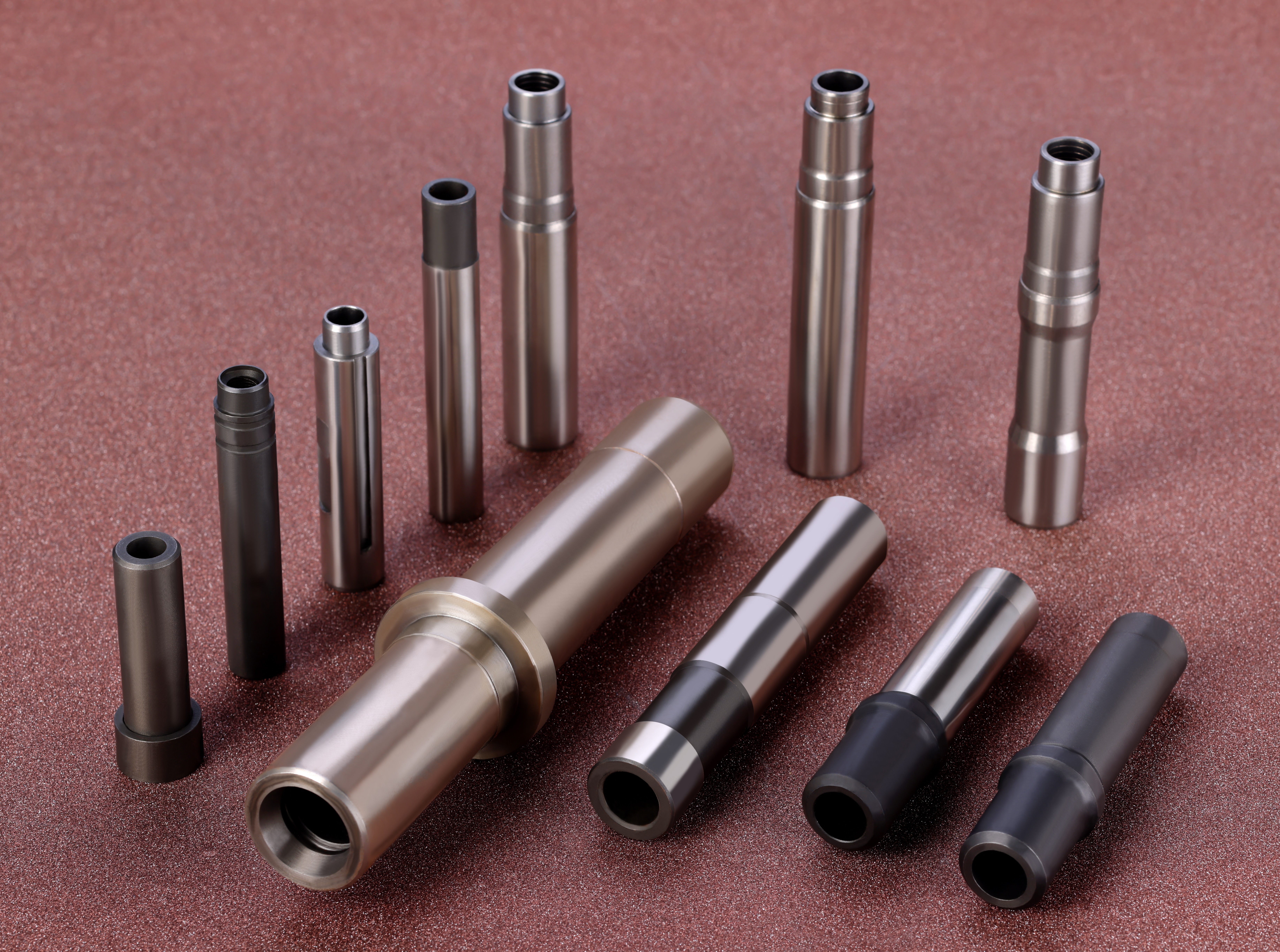
Seat rings comes in variety of shapes and sizes, which SSV manufacture understanding its application and uses considering its thermal stress, frictional load and impact stress for durability. Oversize seats with high seat width are manufactured to meet demands of aftermarket industry, which should be concentric for tight seal and proper cooling of engine. We also do overlay of special cobalt-based material on angle of seat rings to withstand high temperature and protect from corrosive gasses. Our wide material range gives customer flexibility to choose from, for its use customise it as per design and dimensions.
More products by SSV VALVES

Valves - Gas Engine Application

ENGINE VALVE

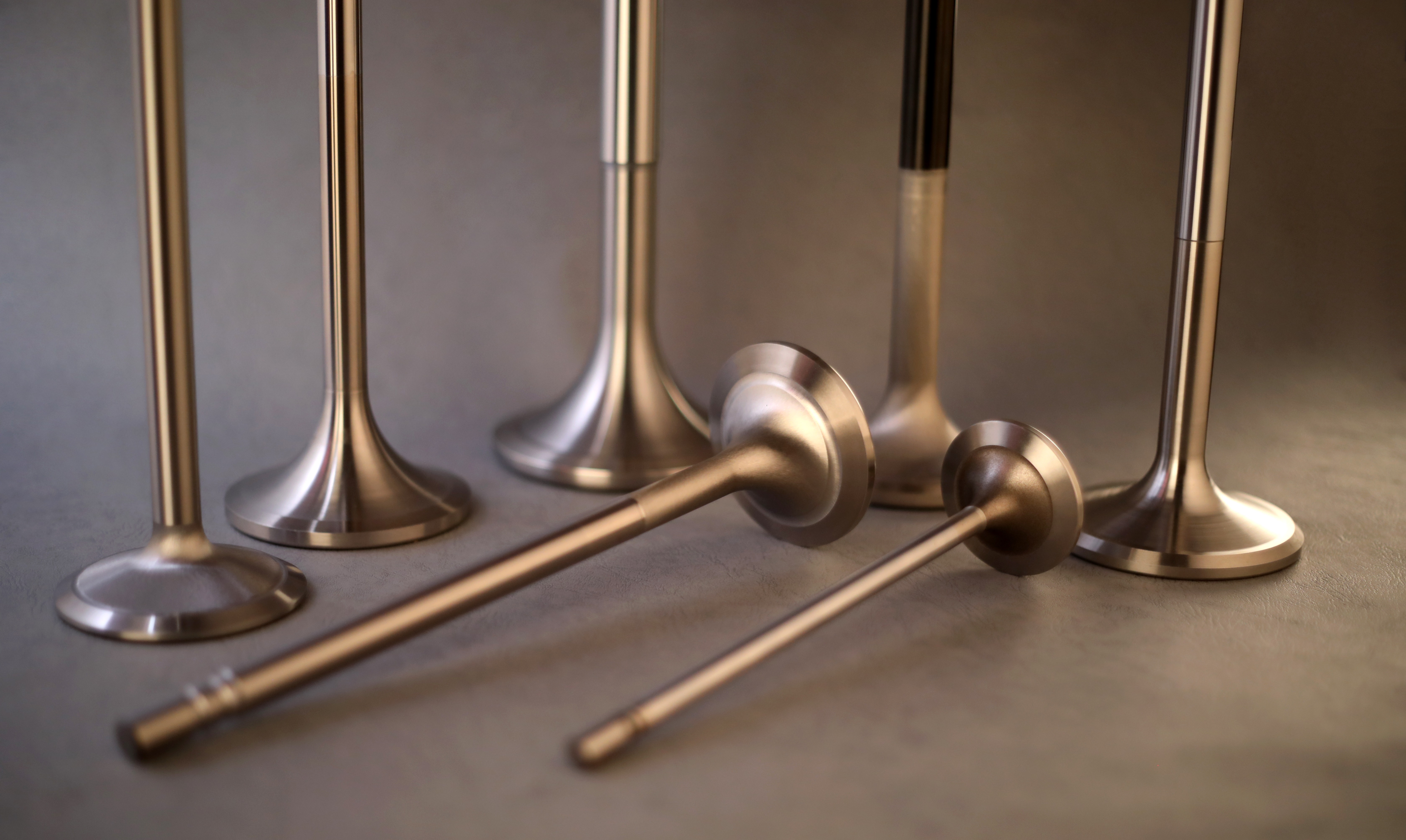
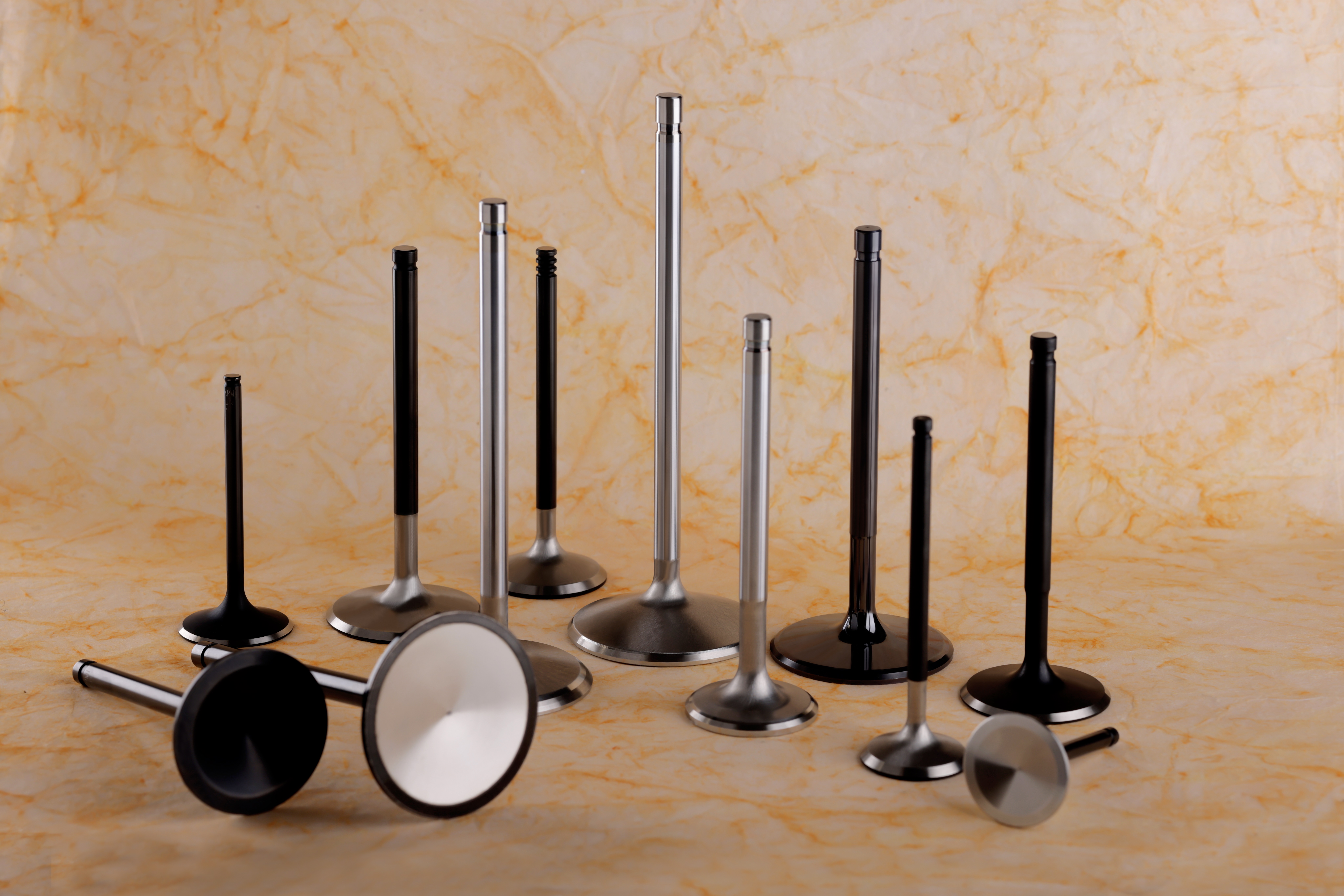
Engine valves are special mechanical component designed to use in two-stroke and four-stroke internal combustion engines, which controls flow of fluids or gases into and from combustion chambers during operation. By function, there are only two types of valves, inlet valve and exhaust valve. Inlet valves allow proper mixture of air and fuel to enter in combustion chamber, while exhaust valve opens to escape gases produced after combustion of air and fuel in camber. Inlet valve is exposed to low thermal stress, but exhaust valve had to undergo high thermal and mechanical stress due to its operation under high temperate and pressure.

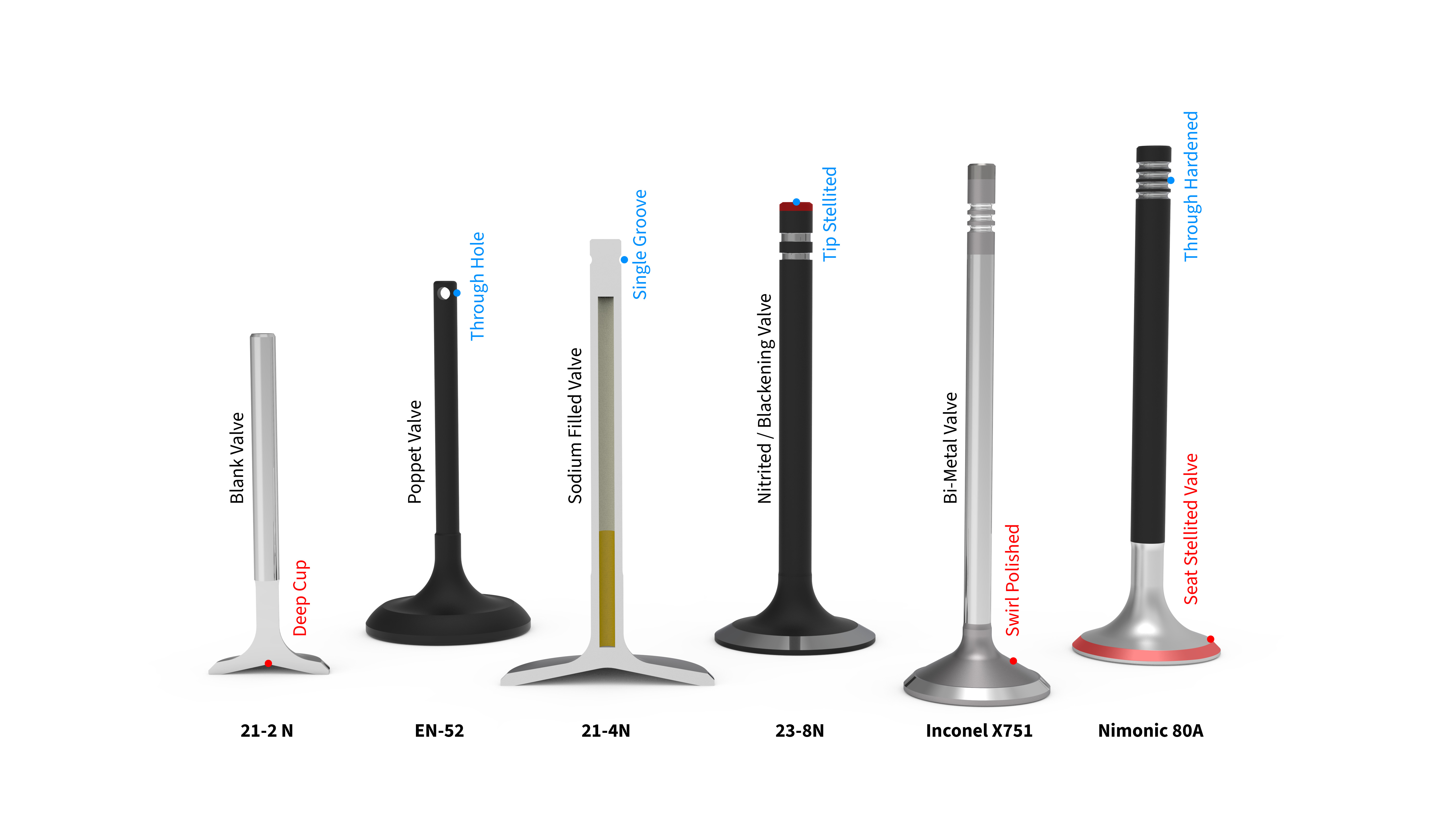
Generally, inlet valves are made of martensitic steels and exhaust valve are made of austenitic steels or high alloy steels. Based on its design, material and application, valves can be monometallic, entirely fabricated from a single metal, or bimetallic, fabricated using friction welding process to have property austenitic head and martensitic stem.

The highest point of thermal impact is on valve face seat, which are sometimes induction hardened or welded by cobalt alloy for long lasting. To improve its mechanical properties, valves are coated with chromium coating, phosphate coating and nitride coating. For better surface finishing, they are also swirl polished.

SSV understand that engine valve is a vital component in every single engine, which bear heavy load to offer great performance using different fuels such us gasoline, diesel, kerosene, heavy fuel oil (HFO), dual fuel, marine diesel oil (MDO), compress natural gas (CNG), natural gas and land fill gas. We serve purpose of every client whether its engine rebuilder, engine maker, original equipment manufacturer, overhauling companies, refurbishes or traders. We ensure that every valve produced are quality checked thoroughly.

Monometallic Valve

Chromium Plated Valve

Nimonic Valves

Bimetallic Valve

Phosphate Plated Valve

Inconel Valve

Hard Seat Face Stellite Valve

Black Nitride Plated Valve

Tribaloy Valve

Hard Tip Stellite Valve

Swirl Finish Valve

Titanium Valves

Engine Valve - Hollow and Sodium Fill

ENGINE VALVE

Engine valves are special mechanical component designed to use in two-stroke and four-stroke internal combustion engines, which controls flow of fluids or gases into and from combustion chambers during operation. By function, there are only two types of valves, inlet valve and exhaust valve. Inlet valves allow proper mixture of air and fuel to enter in combustion chamber, while exhaust valve opens to escape gases produced after combustion of air and fuel in camber. Inlet valve is exposed to low thermal stress, but exhaust valve had to undergo high thermal and mechanical stress due to its operation under high temperate and pressure.

Generally, inlet valves are made of martensitic steels and exhaust valve are made of austenitic steels or high alloy steels. Based on its design, material and application, valves can be monometallic, entirely fabricated from a single metal, or bimetallic, fabricated using friction welding process to have property austenitic head and martensitic stem.

The highest point of thermal impact is on valve face seat, which are sometimes induction hardened or welded by cobalt alloy for long lasting. To improve its mechanical properties, valves are coated with chromium coating, phosphate coating and nitride coating. For better surface finishing, they are also swirl polished.

SSV understand that engine valve is a vital component in every single engine, which bear heavy load to offer great performance using different fuels such us gasoline, diesel, kerosene, heavy fuel oil (HFO), dual fuel, marine diesel oil (MDO), compress natural gas (CNG), natural gas and land fill gas. We serve purpose of every client whether its engine rebuilder, engine maker, original equipment manufacturer, overhauling companies, refurbishes or traders. We ensure that every valve produced are quality checked thoroughly.

Monometallic Valve

Chromium Plated Valve

Nimonic Valves

Bimetallic Valve

Phosphate Plated Valve

Inconel Valve

Hard Seat Face Stellite Valve

Black Nitride Plated Valve

Tribaloy Valve

Hard Tip Stellite Valve

Swirl Finish Valve

Titanium Valves

Engine Valves

ENGINE VALVE

Engine valves are special mechanical component designed to use in two-stroke and four-stroke internal combustion engines, which controls flow of fluids or gases into and from combustion chambers during operation. By function, there are only two types of valves, inlet valve and exhaust valve. Inlet valves allow proper mixture of air and fuel to enter in combustion chamber, while exhaust valve opens to escape gases produced after combustion of air and fuel in camber. Inlet valve is exposed to low thermal stress, but exhaust valve had to undergo high thermal and mechanical stress due to its operation under high temperate and pressure.

Generally, inlet valves are made of martensitic steels and exhaust valve are made of austenitic steels or high alloy steels. Based on its design, material and application, valves can be monometallic, entirely fabricated from a single metal, or bimetallic, fabricated using friction welding process to have property austenitic head and martensitic stem.

The highest point of thermal impact is on valve face seat, which are sometimes induction hardened or welded by cobalt alloy for long lasting. To improve its mechanical properties, valves are coated with chromium coating, phosphate coating and nitride coating. For better surface finishing, they are also swirl polished.

SSV understand that engine valve is a vital component in every single engine, which bear heavy load to offer great performance using different fuels such us gasoline, diesel, kerosene, heavy fuel oil (HFO), dual fuel, marine diesel oil (MDO), compress natural gas (CNG), natural gas and land fill gas. We serve purpose of every client whether its engine rebuilder, engine maker, original equipment manufacturer, overhauling companies, refurbishes or traders. We ensure that every valve produced are quality checked thoroughly.

Monometallic Valve

Chromium Plated Valve

Nimonic Valves

Bimetallic Valve

Phosphate Plated Valve

Inconel Valve

Hard Seat Face Stellite Valve

Black Nitride Plated Valve

Tribaloy Valve

Hard Tip Stellite Valve

Swirl Finish Valve

Titanium Valves