Skip

Exhibitors & products 2024

Please note: The new exhibitor search for 2026 is expected to be published in calendar week 15.
SSV VALVES

Description

VALVE GUIDE

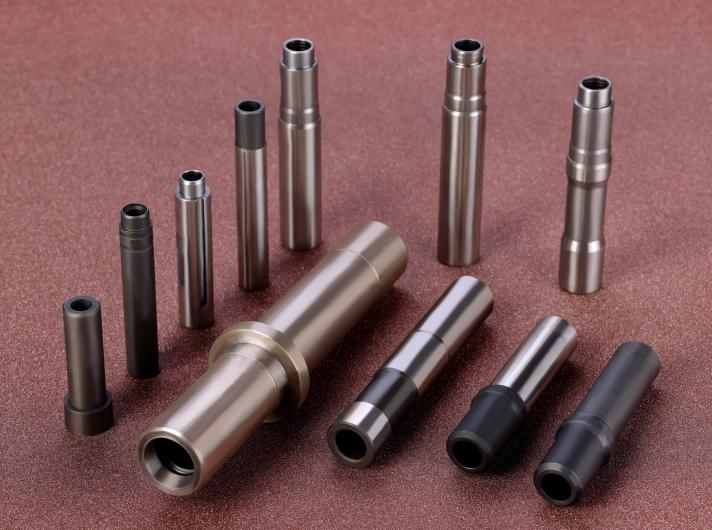
Valve guide are cylindrical shaped metal tube component placed on valve stem. Its primary function is to keep valve align with valve seat position and conduct heat from valve stem into cylinder chamber, to maintain low ambient temperature. Engine valve reciprocated several thousand times inside valve guide during its operation.

Correct choice material of valve guide is of critical importance to maintain its durability and reliability under extreme load condition. Majorly, guides are made up of different types of cast iron, apart from aluminium bronze and brass material. Essential characteristic of guide is its low friction and high thermal conductivity which lead to superior performance.

SSV’s in-depth knowledge of manufacturing valve guide ensures to maintaining its proper internal diameter following industry standards and specification. Too low clearance between engine valve stem and internal diameter of valve guide results in quick worn-out parts and excessive clearance will cause damage to engine, so borehole is reamed by reamer to maintain accurate dimensions. Our valve guide are direct OEM replacements. Special guides have internal spiral groove, designed to retain oil to reduce wear out ratio. We also supply guide with phosphate and black nitride finish. Our special heat treatment process ensures our supplied components are long lasting in every light, medium and heavy-duty engines.
More products by SSV VALVES

Valves - Gas Engine Application

ENGINE VALVE

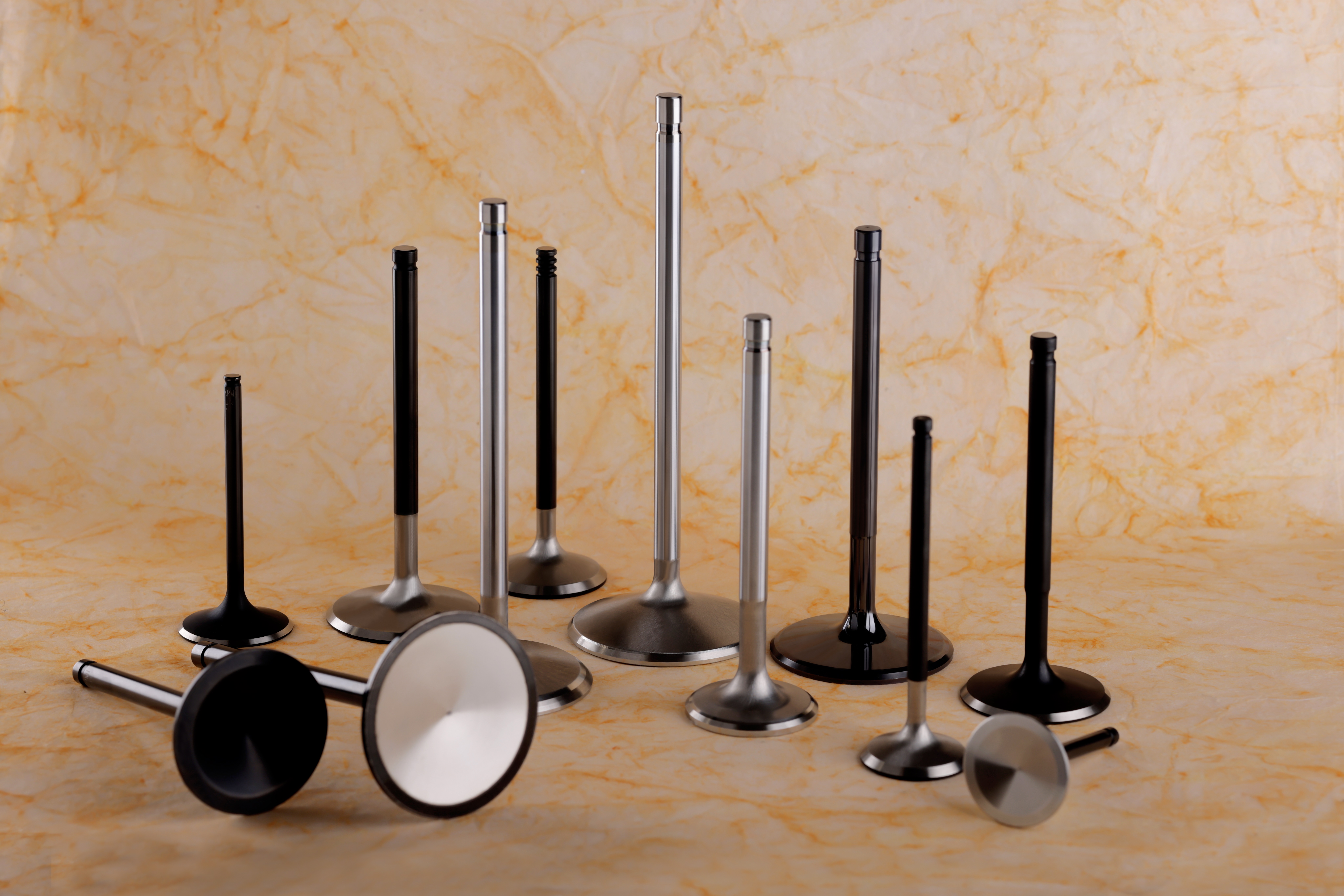
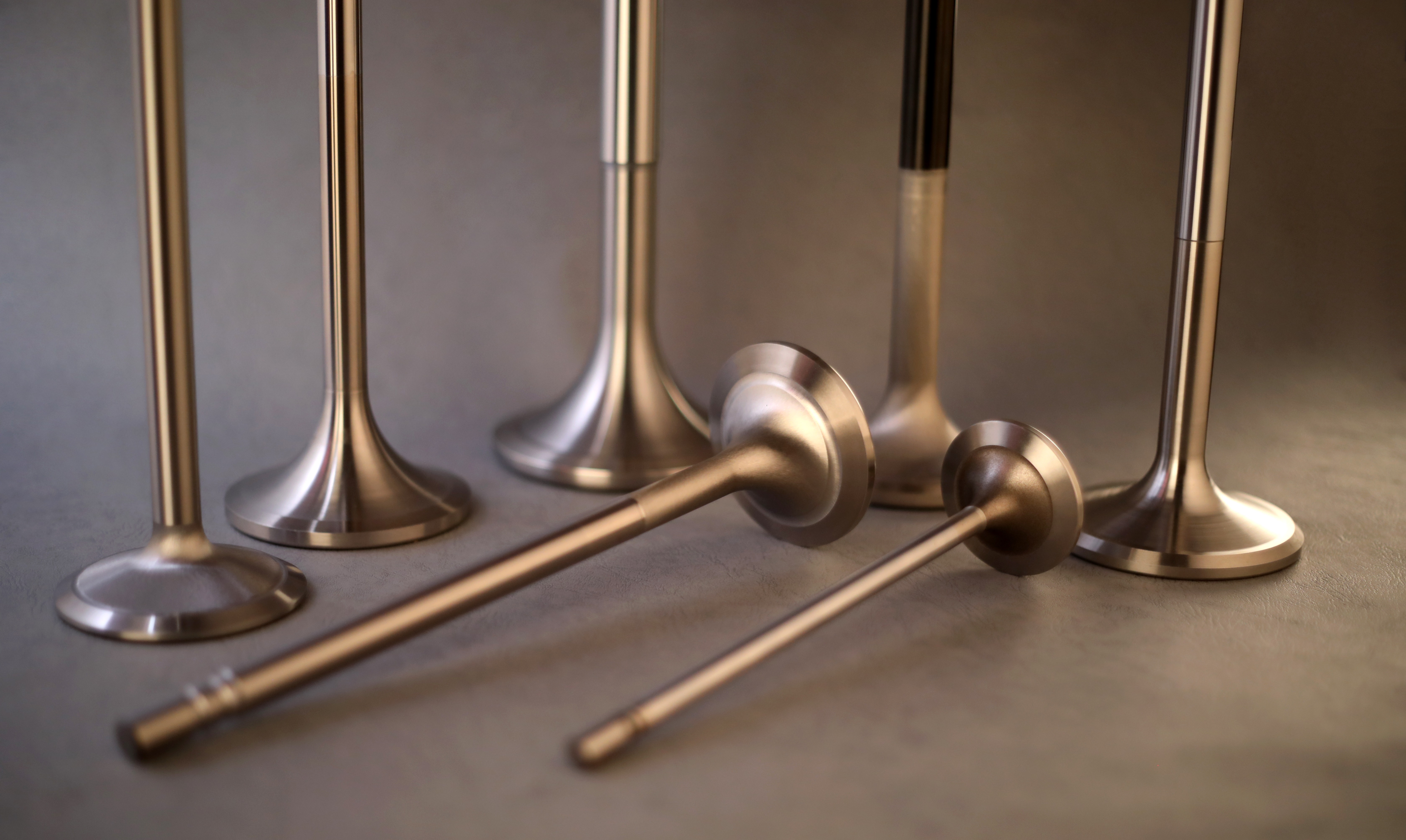
Engine valves are special mechanical component designed to use in two-stroke and four-stroke internal combustion engines, which controls flow of fluids or gases into and from combustion chambers during operation. By function, there are only two types of valves, inlet valve and exhaust valve. Inlet valves allow proper mixture of air and fuel to enter in combustion chamber, while exhaust valve opens to escape gases produced after combustion of air and fuel in camber. Inlet valve is exposed to low thermal stress, but exhaust valve had to undergo high thermal and mechanical stress due to its operation under high temperate and pressure.

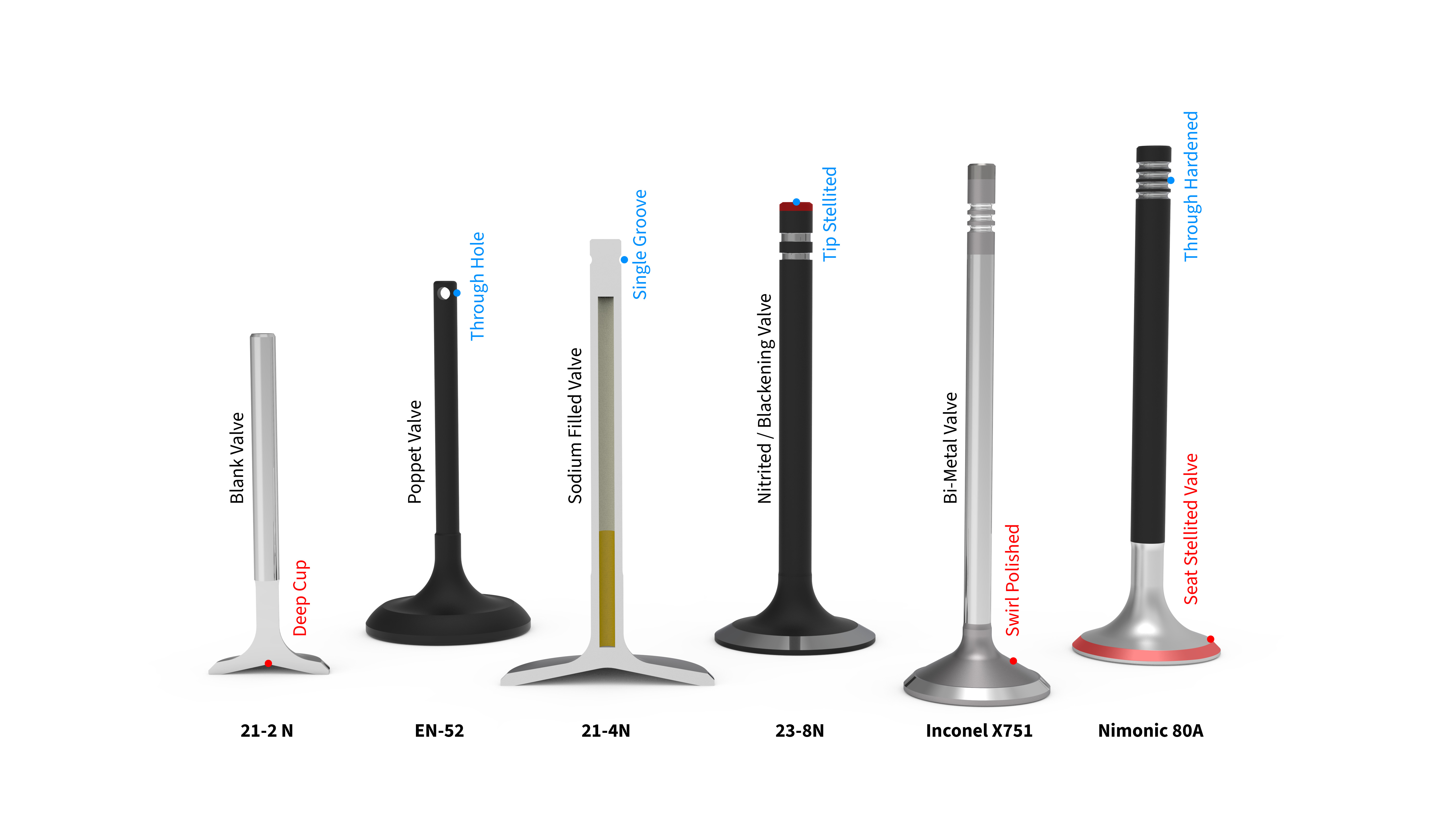
Generally, inlet valves are made of martensitic steels and exhaust valve are made of austenitic steels or high alloy steels. Based on its design, material and application, valves can be monometallic, entirely fabricated from a single metal, or bimetallic, fabricated using friction welding process to have property austenitic head and martensitic stem.

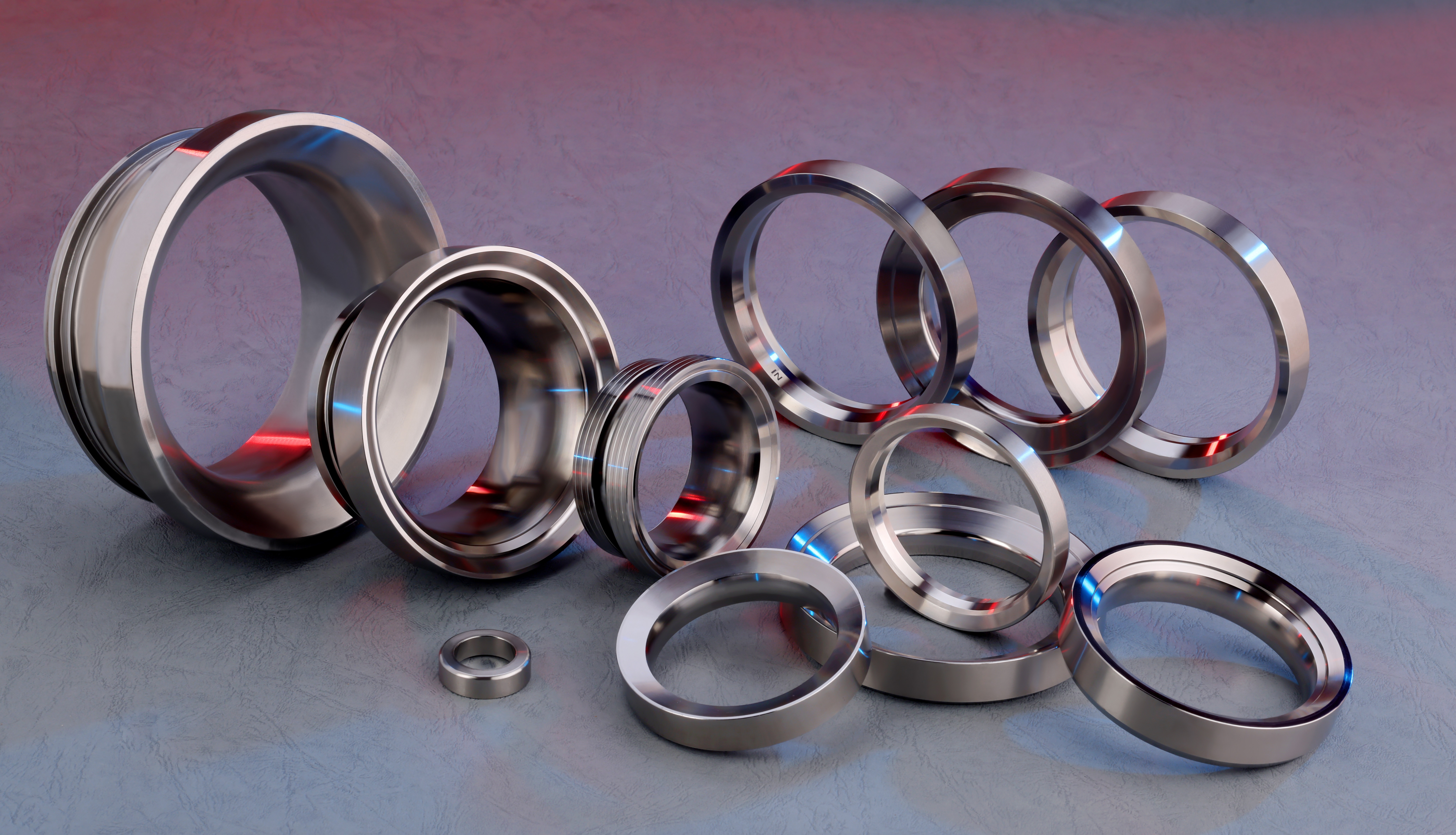
The highest point of thermal impact is on valve face seat, which are sometimes induction hardened or welded by cobalt alloy for long lasting. To improve its mechanical properties, valves are coated with chromium coating, phosphate coating and nitride coating. For better surface finishing, they are also swirl polished.

SSV understand that engine valve is a vital component in every single engine, which bear heavy load to offer great performance using different fuels such us gasoline, diesel, kerosene, heavy fuel oil (HFO), dual fuel, marine diesel oil (MDO), compress natural gas (CNG), natural gas and land fill gas. We serve purpose of every client whether its engine rebuilder, engine maker, original equipment manufacturer, overhauling companies, refurbishes or traders. We ensure that every valve produced are quality checked thoroughly.

Monometallic Valve

Chromium Plated Valve

Nimonic Valves

Bimetallic Valve

Phosphate Plated Valve

Inconel Valve

Hard Seat Face Stellite Valve

Black Nitride Plated Valve

Tribaloy Valve

Hard Tip Stellite Valve

Swirl Finish Valve

Titanium Valves

Engine Valve - Hollow and Sodium Fill

ENGINE VALVE

Engine valves are special mechanical component designed to use in two-stroke and four-stroke internal combustion engines, which controls flow of fluids or gases into and from combustion chambers during operation. By function, there are only two types of valves, inlet valve and exhaust valve. Inlet valves allow proper mixture of air and fuel to enter in combustion chamber, while exhaust valve opens to escape gases produced after combustion of air and fuel in camber. Inlet valve is exposed to low thermal stress, but exhaust valve had to undergo high thermal and mechanical stress due to its operation under high temperate and pressure.

Generally, inlet valves are made of martensitic steels and exhaust valve are made of austenitic steels or high alloy steels. Based on its design, material and application, valves can be monometallic, entirely fabricated from a single metal, or bimetallic, fabricated using friction welding process to have property austenitic head and martensitic stem.

The highest point of thermal impact is on valve face seat, which are sometimes induction hardened or welded by cobalt alloy for long lasting. To improve its mechanical properties, valves are coated with chromium coating, phosphate coating and nitride coating. For better surface finishing, they are also swirl polished.

SSV understand that engine valve is a vital component in every single engine, which bear heavy load to offer great performance using different fuels such us gasoline, diesel, kerosene, heavy fuel oil (HFO), dual fuel, marine diesel oil (MDO), compress natural gas (CNG), natural gas and land fill gas. We serve purpose of every client whether its engine rebuilder, engine maker, original equipment manufacturer, overhauling companies, refurbishes or traders. We ensure that every valve produced are quality checked thoroughly.

Monometallic Valve

Chromium Plated Valve

Nimonic Valves

Bimetallic Valve

Phosphate Plated Valve

Inconel Valve

Hard Seat Face Stellite Valve

Black Nitride Plated Valve

Tribaloy Valve

Hard Tip Stellite Valve

Swirl Finish Valve

Titanium Valves